Shin Guards
Protective shin and instep guards for striking work — for your shins and your partner's arms.
-
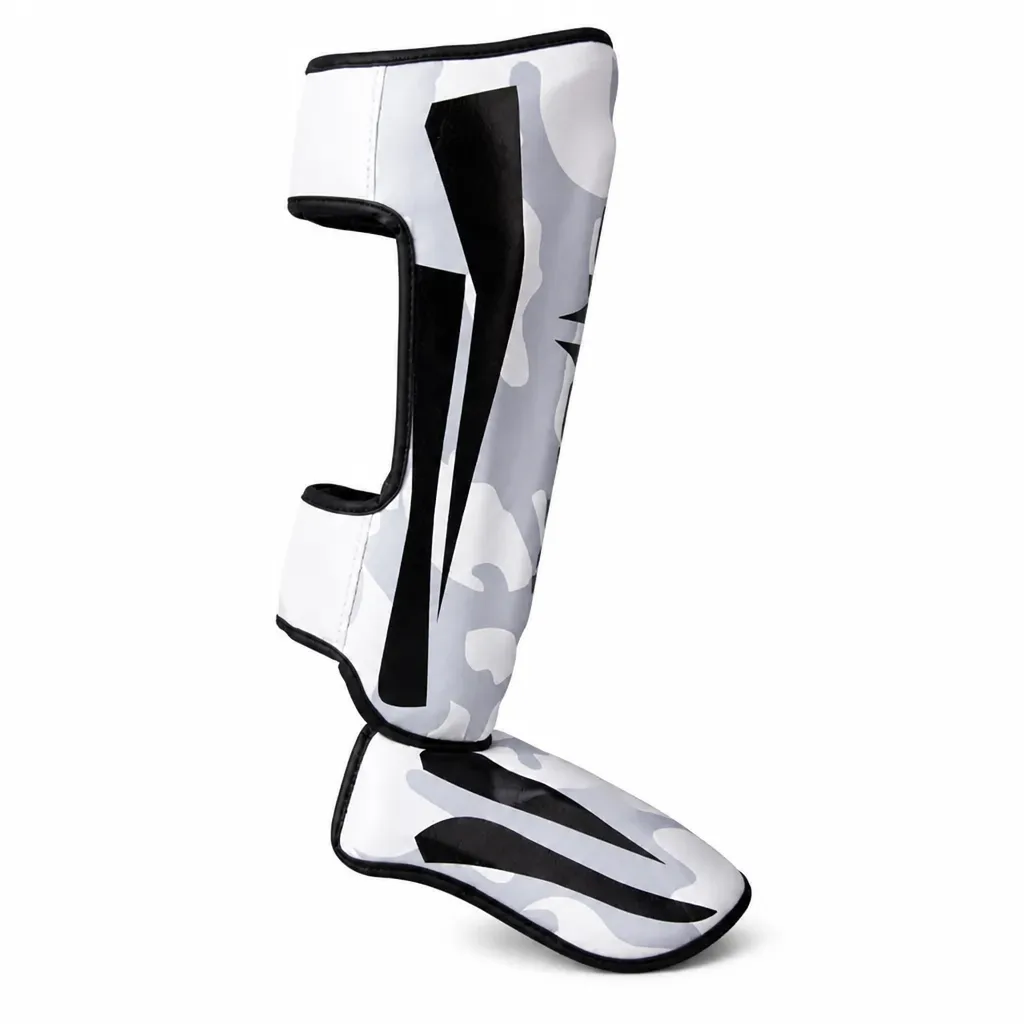 Apollo Aegis Shin Guards
$107.99
Apollo Aegis Shin Guards
$107.99
-
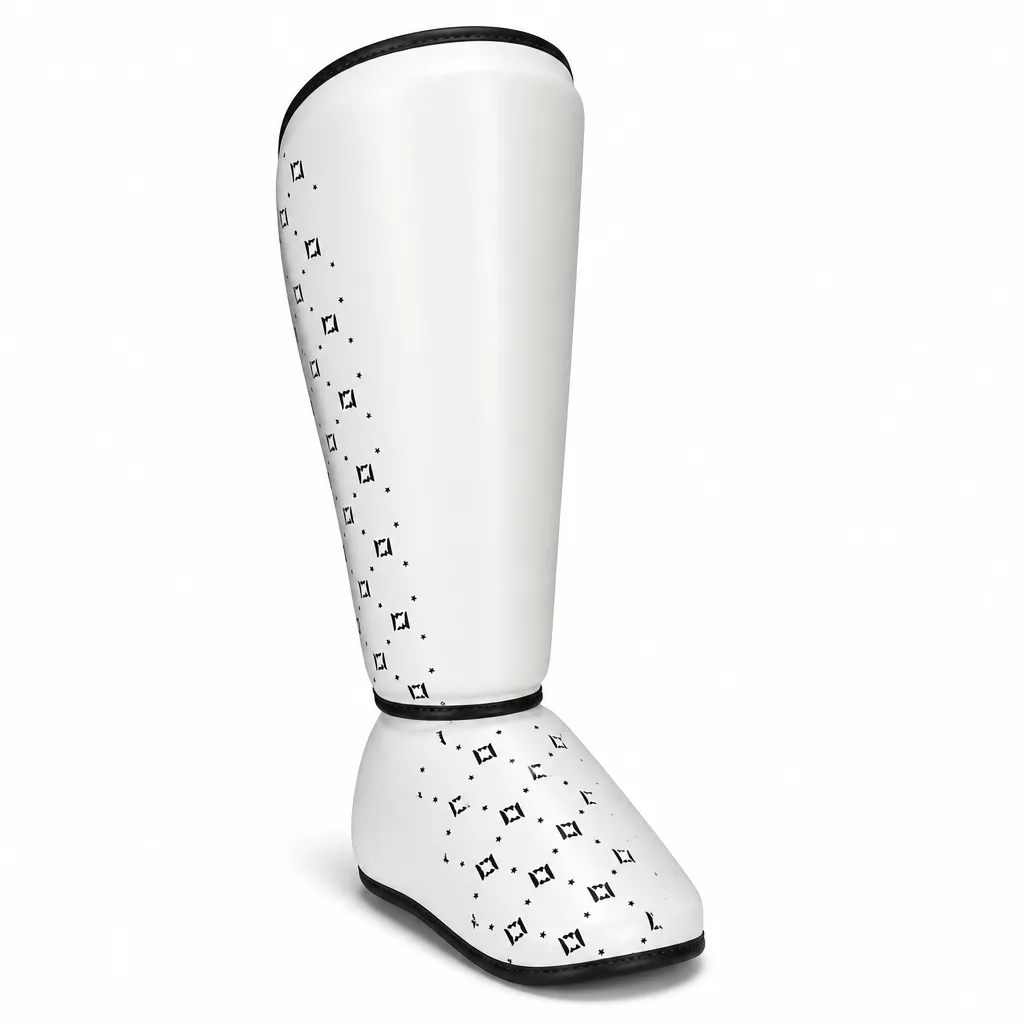 Apollo Bastion Shin Guards
$99.99
Apollo Bastion Shin Guards
$99.99
-
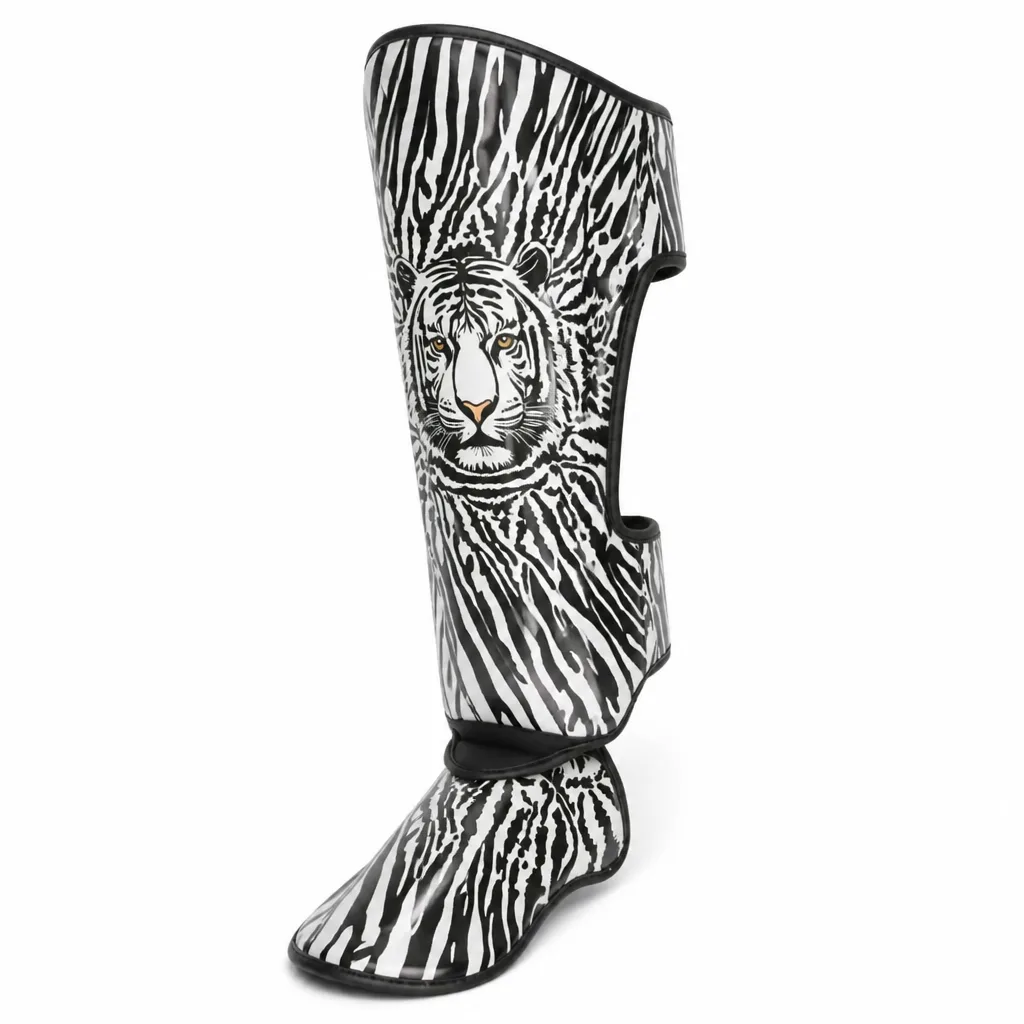 Apollo Phalanx Shin Guards
$116.99
Apollo Phalanx Shin Guards
$116.99
-
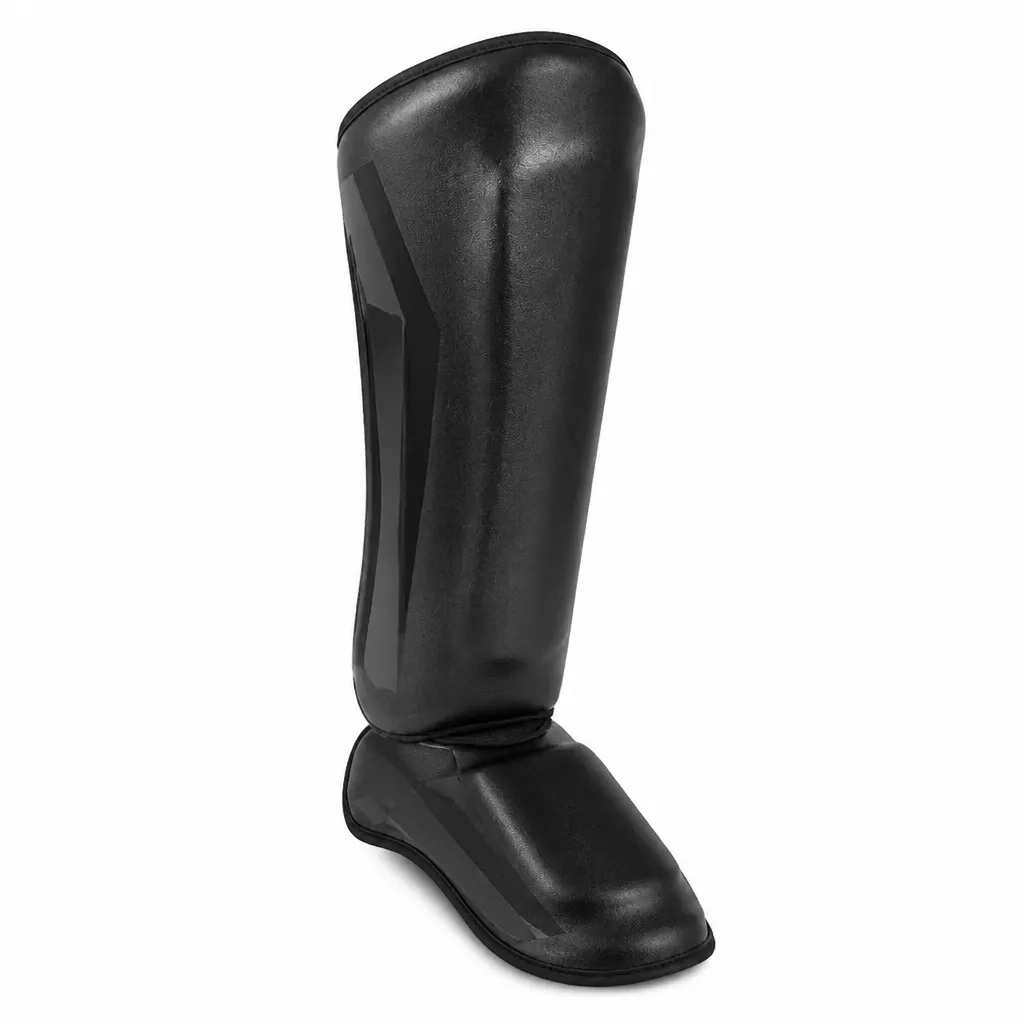 Apollo Rampart Shin Guards
$89.99
Apollo Rampart Shin Guards
$89.99
Slip-on or strap-on, and how they should sit
Shin guards protect two people. They spare your shins the accumulated micro-trauma of blocking and checking kicks, and they spare your partner's forearms and ribs when you throw. The second reason is why most gyms require them for any contact striking work regardless of how conditioned you think your shins are.
Slip-on guards, the sleeve style, are held on by compression and generally stay put better through long rounds because there is nothing to work loose. They are harder to get on and off, and they need to be sized precisely. Strap-on guards are quicker to adjust and easier to share between sessions, but the straps loosen during hard rounds and need resetting between them. For Muay Thai and MMA, the slip-on style is the more common choice.
Fit is about coverage of the instep as much as the shin. A guard that stops at the ankle leaves the top of the foot exposed, and the instep is where a lot of the pain from a blocked kick actually lands. The shin plate should sit centred over the bone and stay there when you check — if it rotates round your leg during a round, it is too loose and it is protecting the side of your calf instead of your shin.
Shin conditioning is not a replacement for guards, and the old advice about rolling bottles or kicking trees is a good way to acquire permanent nerve damage. Conditioning happens through normal bag work and controlled kicking over years. Guards let you accumulate that volume without the injuries that would otherwise stop you training long enough to get there.
Frequently asked questions
- Do Muay Thai and kickboxing shin guards differ?
- Barely. "Shin guards", "shin pads", "kickboxing shin guards" and "Muay Thai shin guards" all describe the same slip-on or strap-on pad. The real choice is between a slip-on, which stays put through a full round and is standard for Thai sparring, and a strap-on, which is quicker to fit but rotates on the leg under repeated checks.
- Slip-on or strap-on shin guards?
- Slip-on guards stay put better through long rounds and are the common choice for Muay Thai and MMA. Strap-on guards adjust faster but need resetting between rounds as the straps work loose.
- Do shin guards need to cover the instep?
- Yes. The top of the foot takes a lot of the impact from a checked or blocked kick, and a guard that stops at the ankle leaves it exposed.
- Do I still need shin guards if my shins are conditioned?
- Almost certainly — most gyms require them for contact work. They protect your training partner as much as you, which is the part conditioning does nothing about.