BJJ Gi & Kimonos
Competition-weight kimonos for gi training — with the weave and sizing detail nobody explains at the shop.
-
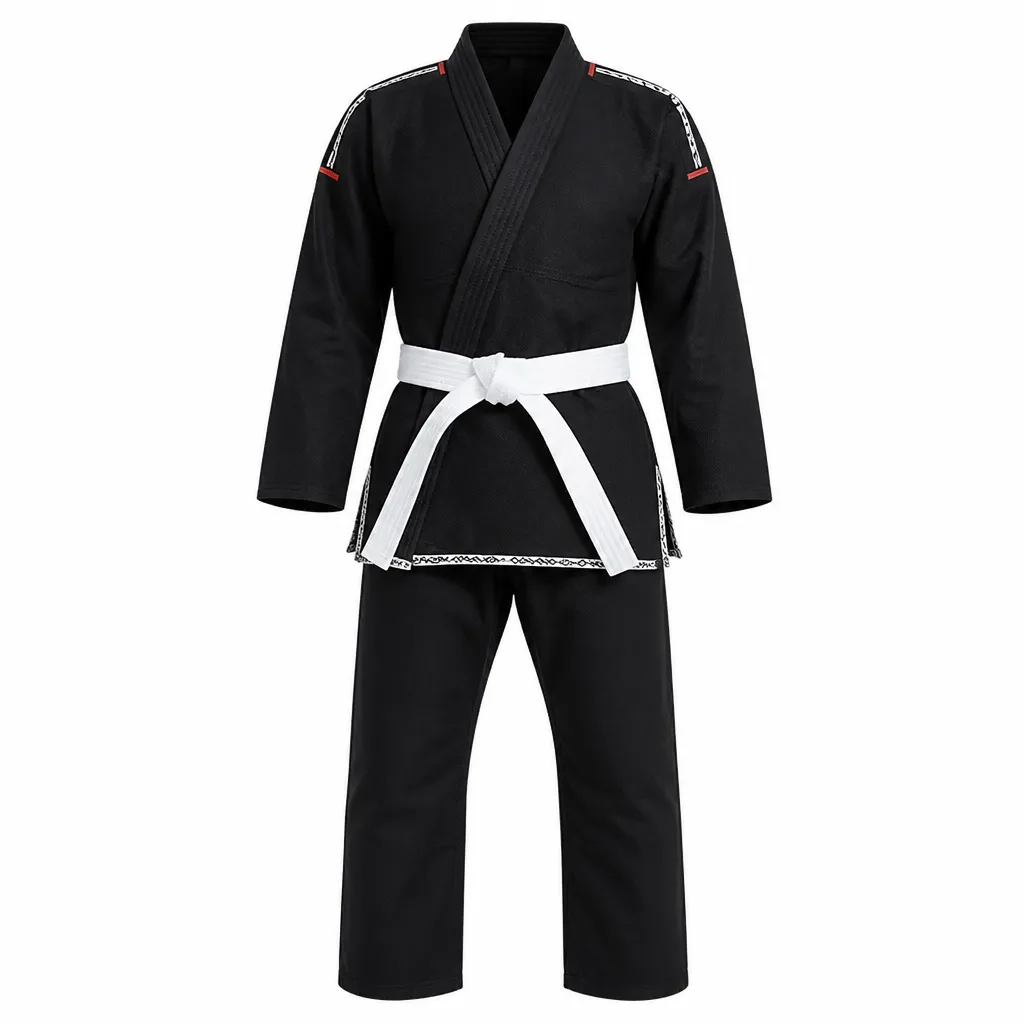 Apollo Bastion BJJ Gi
$135.99
Apollo Bastion BJJ Gi
$135.99
-
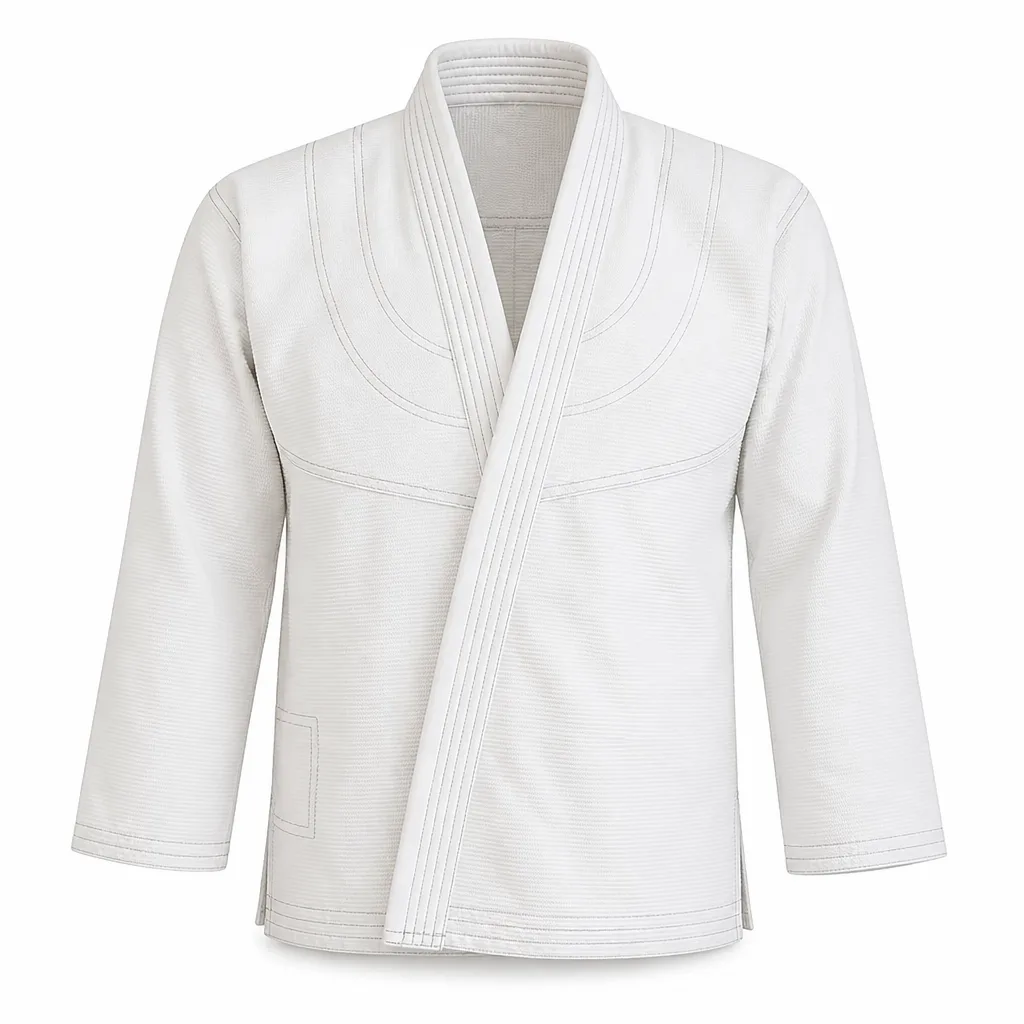 Apollo Bastion Gi
$281.99
Apollo Bastion Gi
$281.99
-
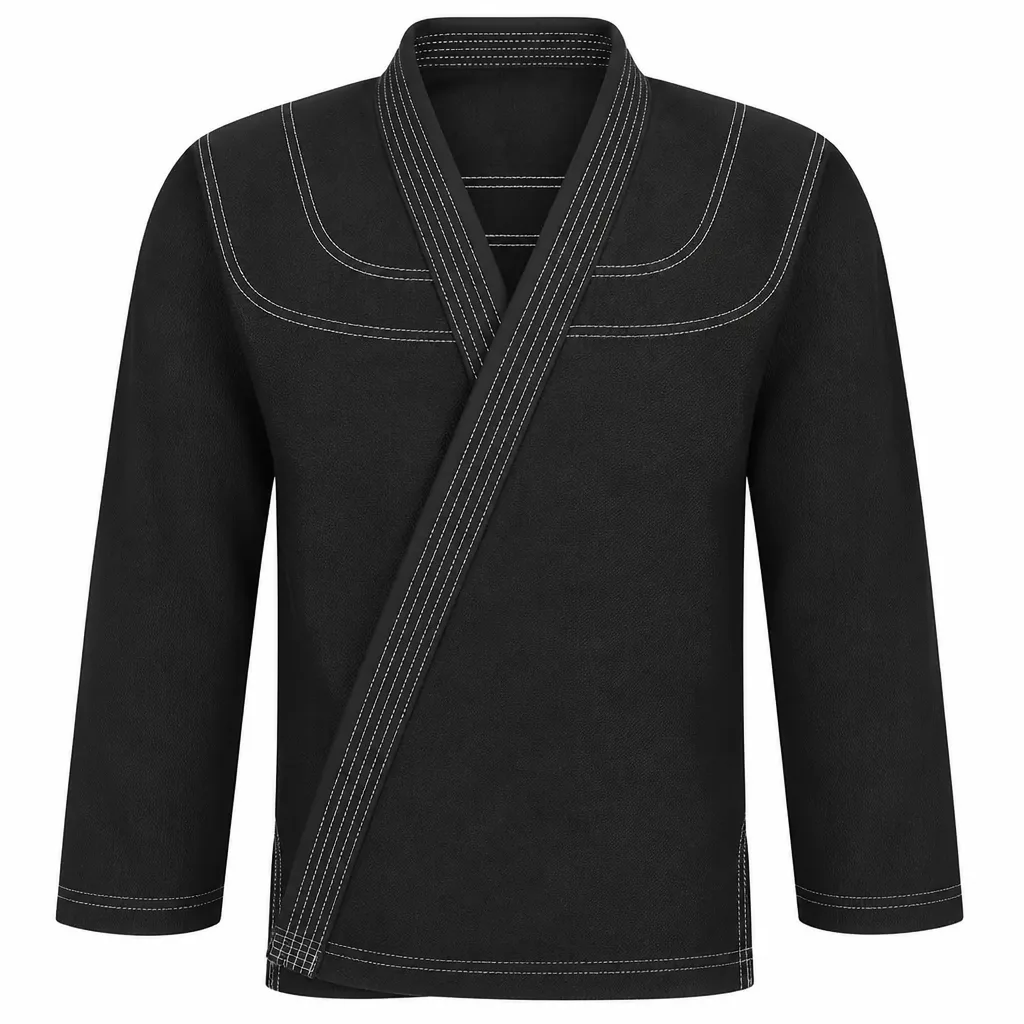 Apollo Crosswind BJJ Gi
$143.99
Apollo Crosswind BJJ Gi
$143.99
-
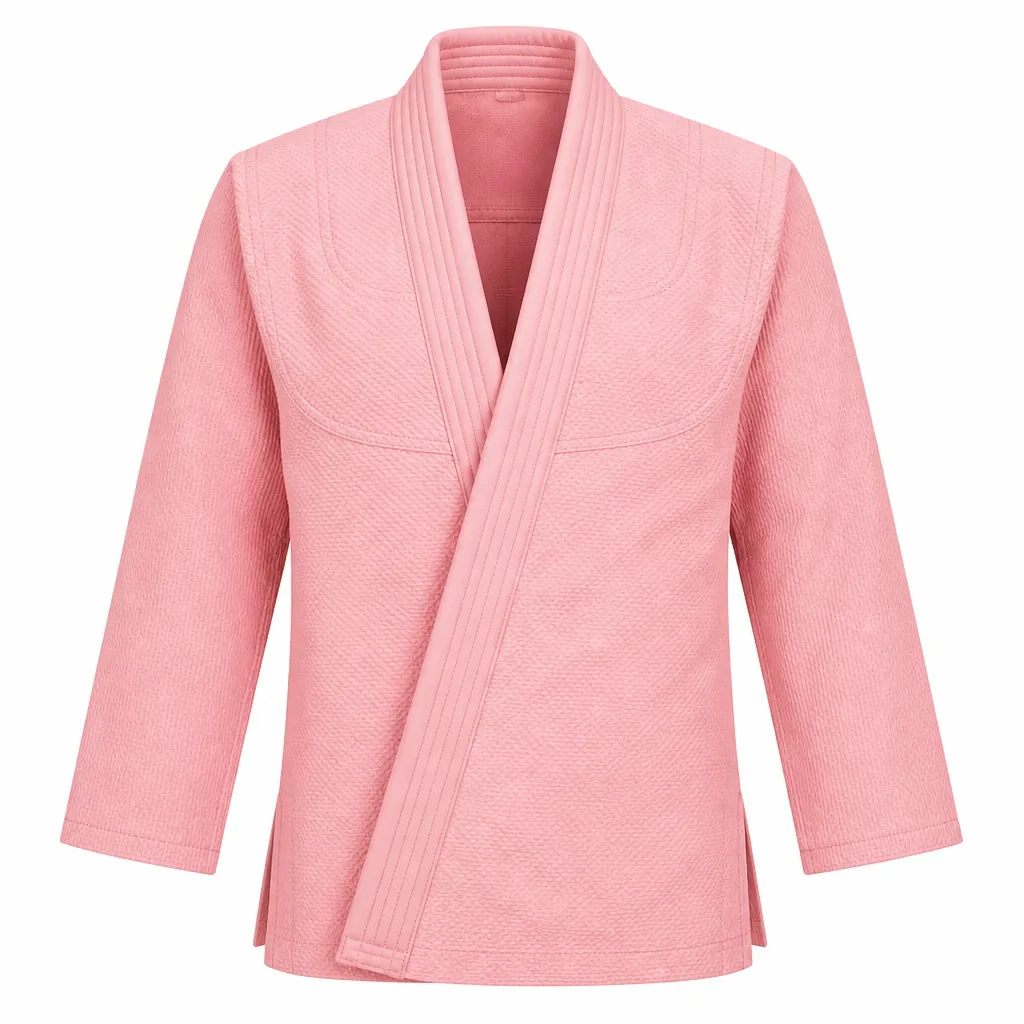 Apollo Sakura BJJ Gi
$91.99
Apollo Sakura BJJ Gi
$91.99
Understanding weave, weight and sizing
A gi is described by its weave, and the weave determines how it feels, how long it lasts and what it weighs on the scale at a competition. Single weave is the lightest and cheapest, dries fastest and wears out soonest. Gold weave sits in the middle and is what most people train in. Pearl weave is the modern default for competition — a good balance of durability and weight, typically 450 to 550 GSM in the jacket.
Weight matters for two reasons. In a hot room, a heavy gi is genuinely miserable and takes two days to dry. At a competition where you weigh in wearing the gi — as IBJJF adult divisions require — a heavy gi can cost you a kilo you needed. Lightweight competition gis exist for exactly this reason, and if you are cutting to make a division it is worth owning one.
Sizing uses the A-scale: A0 through A5 for adult men, F1 through F5 for women's cuts, M and J sizes for children. The number tracks height first and build second, so start with the height range and adjust for your frame. Sleeves must reach your wrist with your arm extended, and trousers must reach your ankle — IBJJF measures both, and a gi that has shrunk past the limit will fail inspection.
Assume some shrinkage. Cotton gis shrink most in their first few washes, mostly in length, and heat accelerates it dramatically. Wash cold and hang dry and a well-sized gi stays well-sized for years; tumble dry it once on high and you may have bought a gi for somebody smaller. If you are between sizes and plan to hang dry, take the smaller one.
Frequently asked questions
- What weave should my first BJJ gi be?
- Pearl weave around 450–550 GSM. It is durable enough for daily training, light enough to be bearable in a hot room, and legal for competition. Single weave is cheaper but wears out faster under regular grip-fighting.
- How do BJJ gi sizes work?
- The A-scale (A0–A5 for adult men, F-sizes for women's cuts) tracks height first, then build. Start from the height range on the size chart and adjust for your frame — sleeves must reach the wrist and trousers the ankle with limbs extended.
- Will my gi shrink?
- Cotton gis shrink in the first few washes, mostly in length, and heat makes it far worse. Wash cold and hang dry. If you are between sizes and intend to hang dry, take the smaller one.
- Is any gi colour allowed in competition?
- IBJJF allows white, royal blue and black, and the jacket and trousers must match. Other colours are fine for training but will fail inspection at an IBJJF event — check your specific ruleset, as other federations differ.