Sparring Gloves
Padded gloves for controlled sparring rounds — the pair you do not use on the bag.
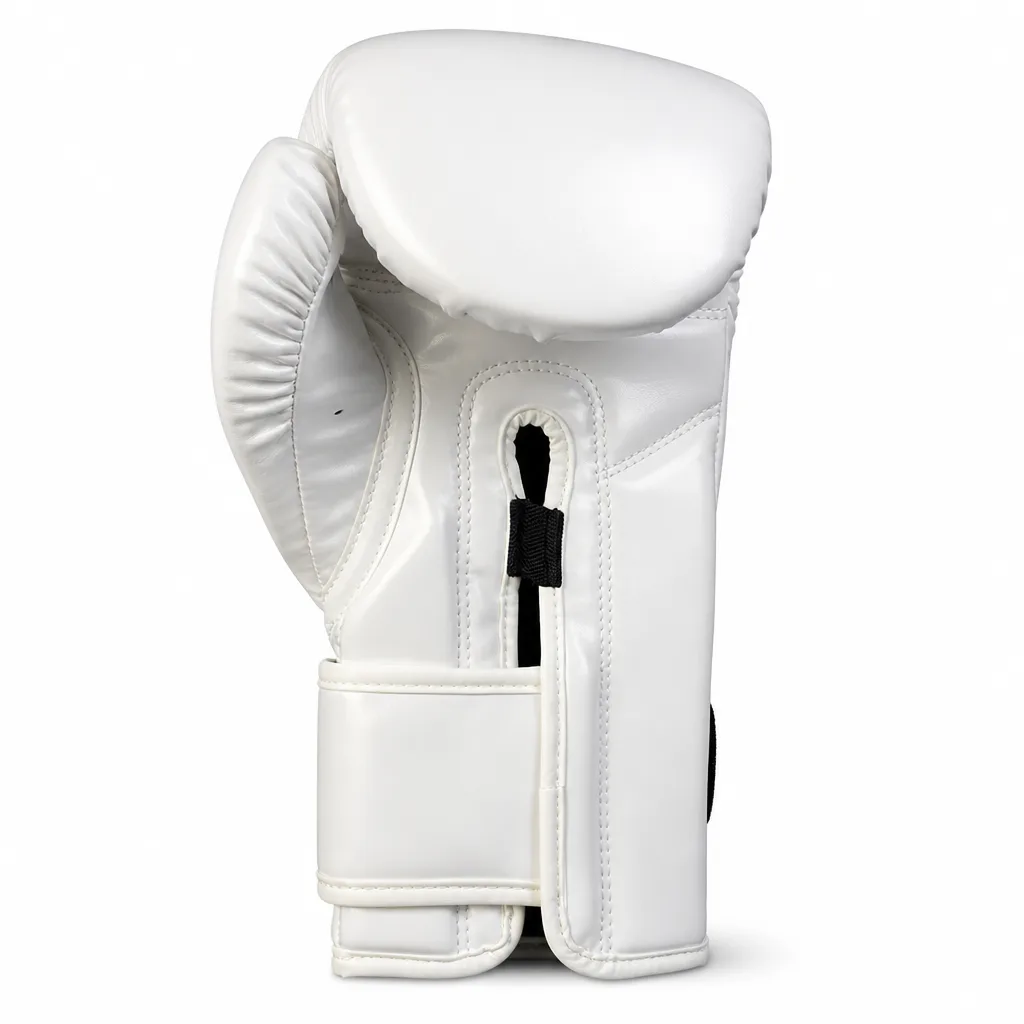
Why sparring gloves are a separate pair
A sparring glove exists to protect the person you are hitting. That is a different job from a bag glove, which exists to protect your own knuckles, and it is why the two should not be the same pair. Padding compresses with use, and a glove that has absorbed a few hundred rounds on a heavy bag no longer offers the protection a training partner's head depends on — even though it looks identical from the outside.
For adults, 16 oz is the standard sparring weight in most gyms, and many will not let you spar in less regardless of your body weight. Heavier fighters sometimes go to 18 oz. The extra padding spreads the impact across a larger area, which is what reduces the accumulated head trauma that makes sparring worth taking seriously.
Look for a glove with a broad, rounded striking surface and padding that stays put rather than migrating to the sides over time. Layered foam holds up better than a single moulded block. Wrist support matters too, but a sparring glove with an extremely rigid cuff can limit the natural movement you want when you are working defence and angles rather than throwing at full power.
Replace sparring gloves before they feel dead. The usual sign is that you can feel your knuckles through the front when you press it, or the foam has taken a permanent dent. That glove is still fine for bag work; it should not be used on a person. Rotating a pair out of sparring duty and into bag duty rather than binning it is the sensible lifecycle.
Frequently asked questions
- What weight should sparring gloves be?
- 16 oz for most adults, sometimes 18 oz for heavier fighters. Many gyms enforce this regardless of your size, because the padding is protecting your partner rather than you.
- Can I use my bag gloves for sparring?
- Not once they have real mileage. Bag work compresses the foam, and a compressed glove offers your partner far less protection than it looks like it does. Keep sparring gloves as a separate pair.
- When should I replace sparring gloves?
- When you can feel your knuckles through the padding under thumb pressure, or the foam has a permanent dent. Move that pair to bag work rather than throwing it away.