Sparring Headgear
Head protection for sparring and competition — with an honest account of what it does.
What headgear protects, and what it does not
Headgear reduces cuts, abrasions and impact to the surface of the head. It does a good job of that, which is why boxers spar in it and wrestlers wear ear guards. What it does not reliably do is prevent concussion: the brain moves inside the skull when the head accelerates, and padding on the outside does little about that. Some research suggests bulkier headgear slightly increases head acceleration by making the target larger.
That is not an argument against wearing it — it is an argument for not letting it change how hard you spar. The gear that most reduces brain injury is heavier gloves, controlled intensity and honest partners. Headgear is worth wearing for the cuts, the swelling and the eye protection, and it should not be treated as permission to go harder.
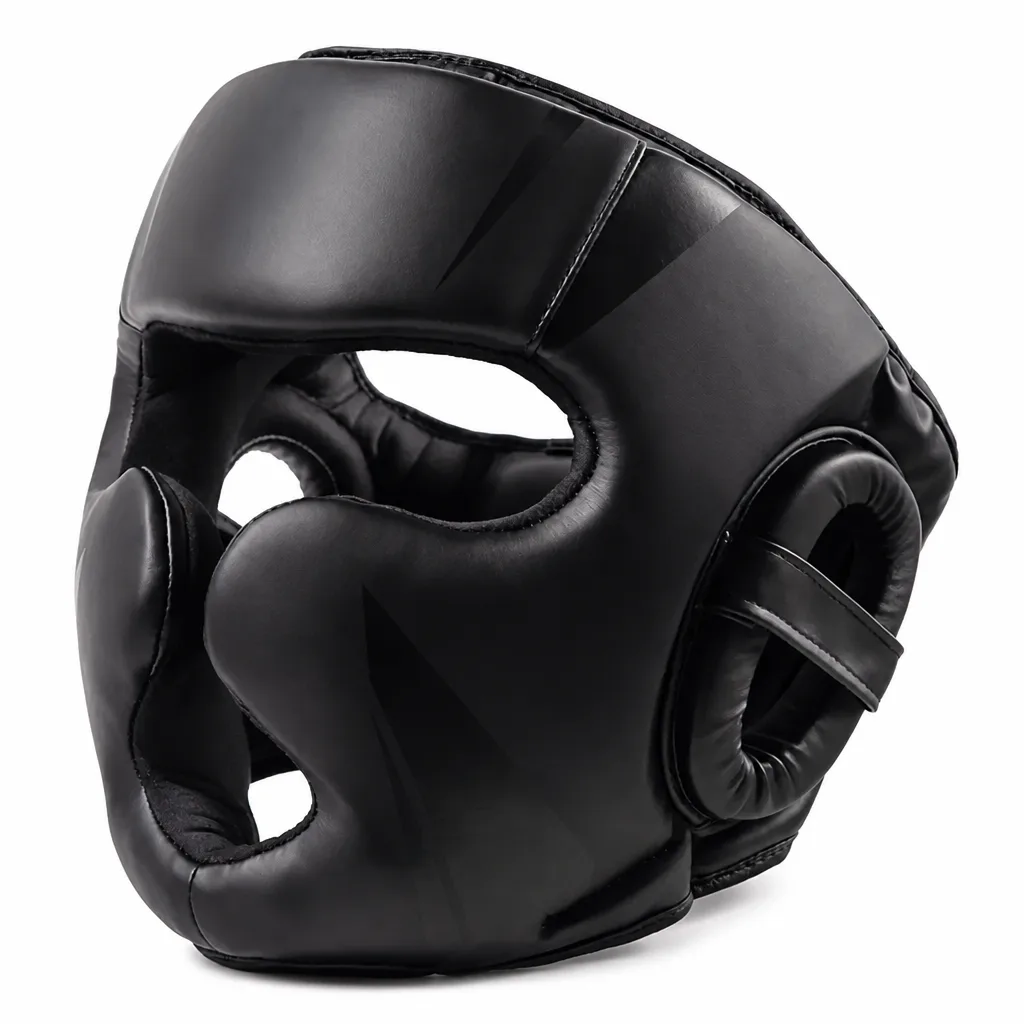
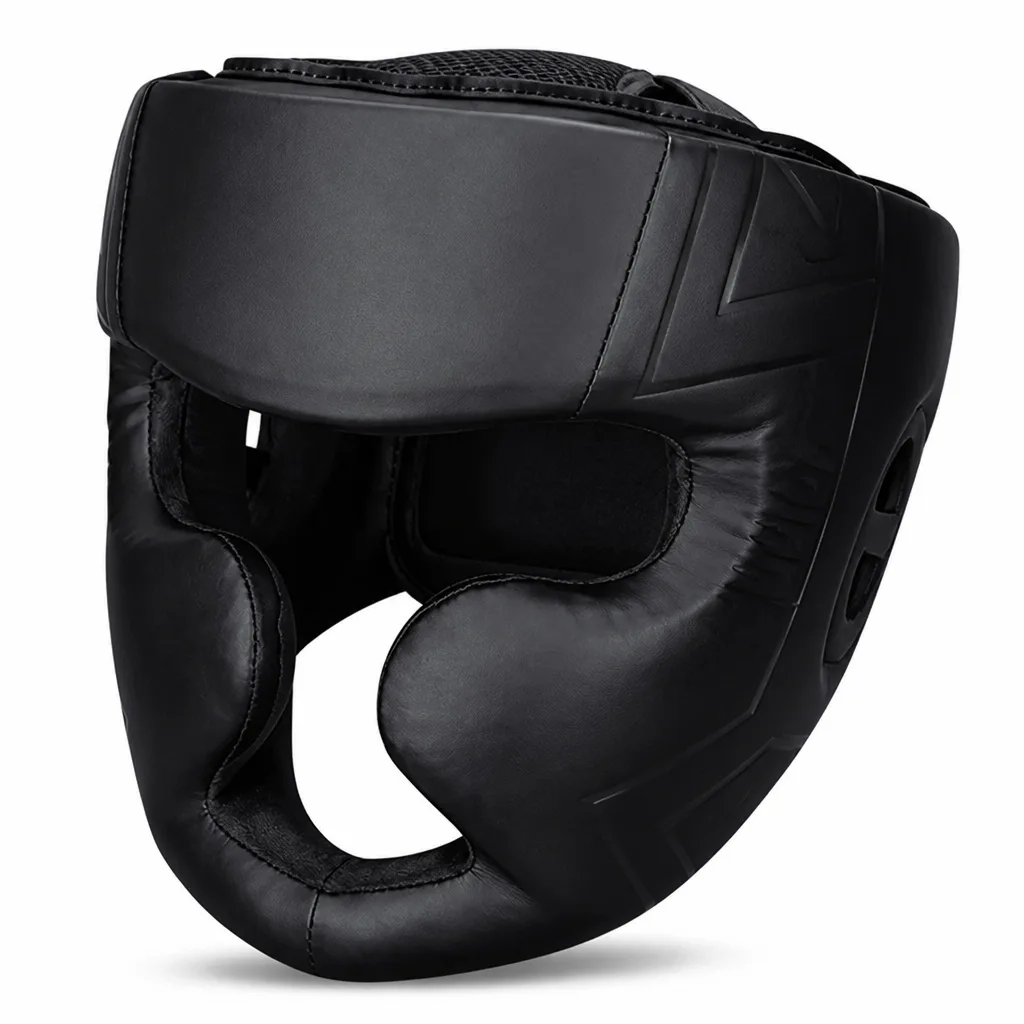
For boxing and MMA sparring, the choice is mainly about how much face coverage you want. Open-face headgear gives the clearest vision and the least heat, which most people prefer for technical work. Cheek-protector styles reduce facial cuts and swelling considerably but narrow your peripheral vision — a genuine trade-off when you are trying to see hooks coming.
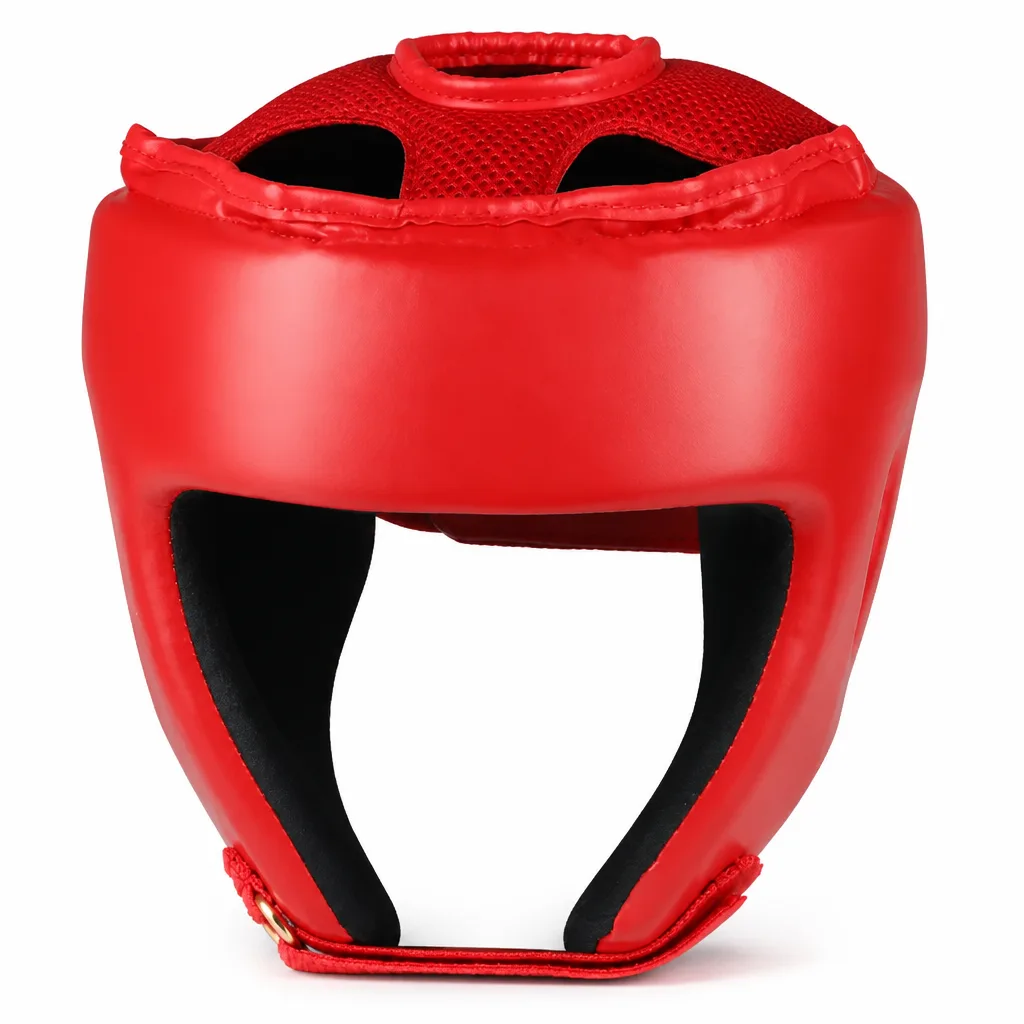
Wrestling headgear is a different product solving a different problem: ear guards exist to prevent auricular haematoma — cauliflower ear — from the friction and pressure of head contact on the mat. If you wrestle or grapple regularly and want to keep the shape of your ears, ear guards worn consistently from the start are the only thing that reliably works. Draining an ear after the fact is a poor second.
Frequently asked questions
- Does headgear prevent concussion?
- No, not reliably. It reduces cuts, abrasions and surface impact, but concussion comes from the brain moving inside the skull and external padding does little about that. Controlled intensity and heavier gloves matter far more.
- Open-face or cheek-protector headgear?
- Open-face gives better vision and runs cooler, which suits technical sparring. Cheek protectors cut down on facial swelling and cuts but narrow your peripheral vision.
- Do ear guards actually prevent cauliflower ear?
- Worn consistently, yes — they prevent the friction and pressure that cause auricular haematoma. They only work if you wear them from the start; they cannot reverse an ear that has already set.